
Posted on 9th June 2025
Coriander is one of the most widely traded spices in the global market and a key agricultural export for India. With its strong aroma, flavour, and extensive culinary applications, coriander has a consistent international demand throughout the year. Exporters benefit from rising consumption in regions like the Middle East, Europe, Southeast Asia, and the USA.
In this guide, we explore the global demand, market potential, major uses, and export opportunities for coriander. Whether you are a new exporter or expanding your spice business, coriander offers strong profit margins and stable export potential.
Coriander (Coriandrum sativum) is exported mainly in three forms: coriander seeds, coriander powder, and coriander leaves (cilantro). India is the world’s largest producer and exporter of coriander seeds, with Rajasthan, Gujarat, and Madhya Pradesh being top-producing regions.
Coriander seeds are in high demand due to their warm, earthy flavour, and they are widely used in spice blends, pickles, curries, and seasoning mixes across global cuisines. Powdered coriander and essential oils are also gaining export momentum due to convenience and long shelf life.
Coriander is extremely versatile and used across countries in various food industries. Exporters supply coriander to manufacturers of seasonings, masalas, ready-to-eat foods, sauces, bakery products, snacks, and spice blends.
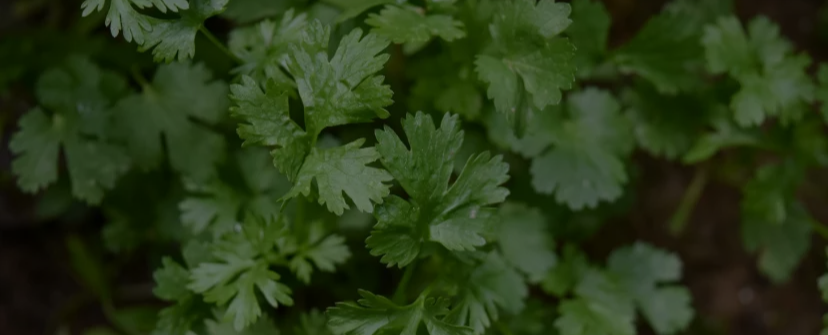
Coriander leaves (cilantro) are preferred in fresh or frozen form in many cuisines such as Mexican, Thai, Mediterranean, and Middle Eastern. Meanwhile, coriander seed and powder dominate B2B exports thanks to their longer shelf life and bulk demand.
Coriander demand is rising due to increasing spice usage, processed food consumption, and the popularity of Indian flavours worldwide. Key import markets include:
• UAE • USA • Malaysia • Saudi Arabia • UK • Germany • Singapore • Sri Lanka
International buyers prefer Indian coriander due to its aroma, oil content, purity, and competitive pricing. Export growth continues to rise as more countries shift to natural spices and flavours.