
Posted on 15th January 2025
Ghee and butter are two of India’s most popular dairy products, both widely consumed domestically and exported globally. But when it comes to international markets, which of these two enjoys higher demand? This article explores the differences, production methods, and market preferences for ghee and butter in 2025.
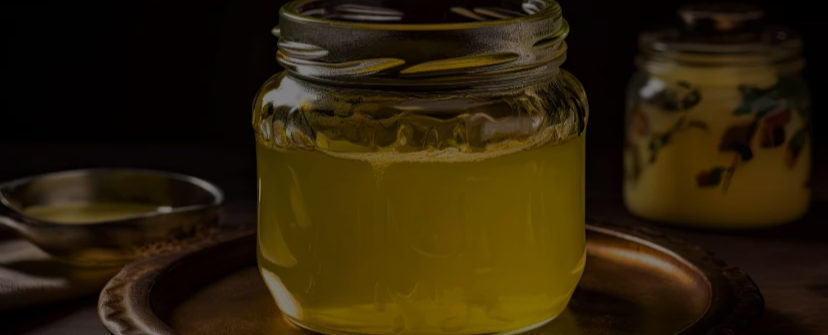
Ghee is clarified butter, made by simmering butter to remove water and milk solids, leaving pure golden fat. It has a longer shelf life than butter and is highly valued in Indian cuisine for its flavor, aroma, and cultural significance.
Ghee’s stability at high temperatures and rich nutrient content make it a preferred choice in many export markets.
Butter is produced by churning cream to separate butterfat from buttermilk. It has a creamy texture and mild taste and is consumed worldwide. Unlike ghee, butter has a shorter shelf life and requires refrigeration.
While butter is widely used in bakery and dairy industries, its export demand can be influenced by cold chain logistics and regional dietary preferences.
In 2025, ghee continues to dominate exports to countries in the Middle East, North America, and Southeast Asia due to its longer shelf life and cultural significance. Butter sees strong demand in Europe and bakery industries, but requires cold storage and faster shipping.
Both ghee and butter have strong international demand, but ghee’s stability, traditional appeal, and global recognition give it an edge in exports. Understanding production methods, packaging, and target markets can help exporters maximize opportunities in the dairy sector.